Reconditioned Range Rover Velar Engine Guide: Real Owner Problems, Expert Fixes & What Actually Works
January 26, 2026
What are the real engineering failures that kill a Velar engine, and can they be fixed?
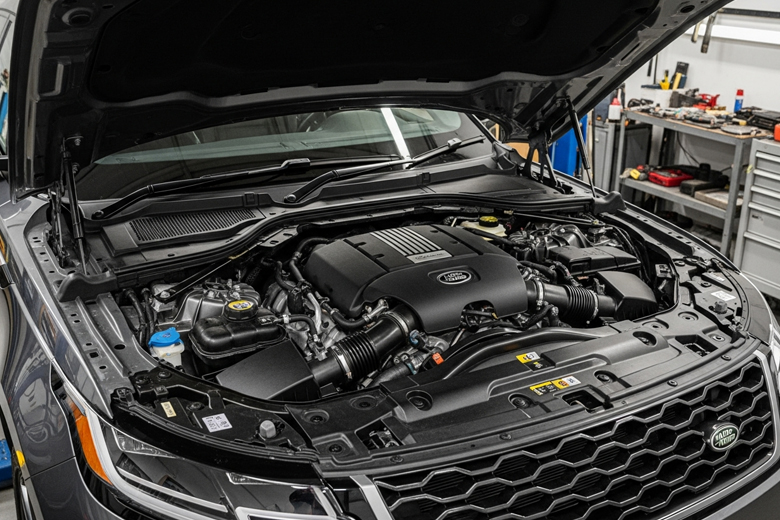
The most critical failure I see is timing chain stretch on the 2.0L Ingenium diesel (engine codes D240, D300). This isn't just worn; it's a design flaw where the chain's plastic guide rails degrade, allowing the chain to elongate and derail. The diagnostic sign is a distinct metallic rattle for 1-2 seconds on start-up, as the over-stretched chain slaps the valve cover. Once the chain jumps more than 6-7 teeth, the non-interference engine becomes interference, causing pistons to strike valves. This requires a full replacement Range Rover Velar engine or a comprehensive rebuild. The second major fault is crankshaft bearing failure on these same diesels, often preceded by low oil pressure warnings. It’s typically caused by infrequent oil changes allowing soot to contaminate the 0W-20 oil, reducing its film strength and leading to bearing wipe.
For the Ingenium petrol engines (P250, P300), the primary weakness is the integrated exhaust manifold. This design, where the manifold is cast into the cylinder head, runs excessively hot. I’ve measured temperatures exceeding 950°C under load. This chronic heat stress leads to hairline cracks between the exhaust ports, causing coolant ingress, pressurisation of the cooling system, and misfires. The engineering fix is a new, revised cylinder head with improved cooling channels, not just a weld repair. The turbochargers on these petrol units are also prone to wastegate actuator failure due to heat cycling, leading to a loss of boost and underperformance. These specific faults determine whether a repair is viable or if you need to start looking for a reconditioned Range Rover Velar engine.
2. What does a truly "remanufactured" engine involve versus a basic "recon" unit?
A basic reconditioned Range Rover Velar engine might only address the immediate failure. If your engine threw a rod, they'd replace that rod and piston, hone the cylinder, and reassemble. However, a true remanufactured Range Rover Velar engine follows a certified engineering process. For a Velar's Ingenium block, this is non-negotiable: the aluminium block must undergo a thermal stress-relief cycle in an oven before any machining processes. The cylinder bores are then diamond-honed to a specific cross-hatch pattern (typically 45-65 degrees) to retain the correct oil film for the piston rings. The crankshaft is measured for taper and ovality, reground if necessary, and polished with micron-level precision.
Beyond machining, a remanufactured unit replaces all moving parts to as-new specification. This isn't optional. It includes new plasma-coated pistons, fracture-split con-rods with new bolts, a billet steel intermediate timing gear (to solve the chain issue), and a high-volume oil pump. Critically, the cylinder head undergoes a three-step process: crack testing via pressure or dye penetrant, a skim to ensure deck flatness (within 0.05mm), and a full recut of the valve seats. The assembled engine is then hot-tested on a dyno, run through a simulated load cycle, and its compression and oil pressure are logged. This scientific rebuild is why a remanufactured Range Rover Velar engine commands a higher reconditioned engine price but offers new-engine longevity.
3. Why is core assessment critical, and what makes a used Velar engine a gamble?
When you source a used Range Rover Velar engine, the core's history is everything. Most Velar engines are removed from crash-damaged vehicles, but frontal impact can cause hidden damage. I reject 30% of cores due to block deformation. The first check is a straight-edge and feeler gauge across the engine block's main bearing ladder and cylinder head deck. Warpage beyond 0.1mm will lead to oil and coolant leaks no matter how many new gaskets you fit. The second is a borescope inspection of the cylinder walls. A salvage engine that sat without oil can develop surface rust, causing pitting that no honing can fix. You can't find used engines with this level of inspection from a typical breaker.
The deeper gamble is internal wear you cannot easily see. The Ingenium's variable valve lift system (on petrol engines) uses solenoid-actuated pins that wear. A second hand engine with 60,000 miles may have pins with 0.2mm of play, causing late valve timing and a 10-15% power loss. Diagnosing this requires a full teardown. Similarly, the high-pressure fuel pump on the diesel (CP4) is sensitive to fuel quality; its failure sends metal shards throughout the fuel rail and injectors, condemning the entire system. Without knowing the donor car's fuel history, you're risking a £3,000 injector set. This is why a cheap used engine for sale is a component lottery, while a reconditioned engines supplier has already factored these wear items into the rebuild.
4. What are the precise installation protocols that separate a good fit from a great one?
Range Rover Velar engine supplied and fitted is a phrase that must mean more than just bolting it in. The first critical protocol is cleanliness. The engine bay must be steam-cleaned and the coolant lines flushed. Any debris left in the intercooler or oil cooler will circulate into your new engine. Second is the transfer of ancillaries. Every seal must be new—this includes the rear crankshaft seal, which requires a specific alignment tool to prevent leaks. The dual-mass flywheel must be inspected for axial play; exceeding 5mm of movement requires replacement, or you'll get clutch shudder. The turbocharger oil feed and return lines must be replaced, as the old ones are often clogged with carbon.
The most technically sensitive phase is the post-installation commissioning. After priming the oil system, the engine must be started and brought to operating temperature while monitoring live data. Key parameters include: fuel rail pressure (must hold at 1800+ bar on diesel), cam/crank correlation (must be within +/- 3 degrees), and oil pressure (min 2.5 bar at idle, 4.5 bar at 3000 rpm). The engine then needs a full adaptation reset using JLR's SDD or a top-level aftermarket tool like Autologic. This recalibrates the throttle body, variable valve timing, and fuel trims. Skipping this step will cause poor performance and emissions faults. A proper engine supply and fitting specialist will provide you with this diagnostic log.
5. How do material choices and engineering revisions in a remanufactured engine improve on the original?
A top-tier remanufactured Range Rover Velar engine doesn't just restore to factory spec—it improves upon JLR's original, failure-prone components. For the 2.0L diesel, the primary upgrade is the replacement of the weak, single-row timing chain with a dual-row, roller-link chain. This alone increases tensile strength by over 60%. The plastic chain guides are swapped for composite-aramid units with higher heat resistance. Inside, the original sputter-coated piston rings are often replaced with a more durable chrome-ceramic coating to better manage oil consumption and soot blow-by.
For the petrol engines, the focus is on thermal management. Many rebuilders now install upgraded heat-range spark plugs and use a head gasket with a more robust multi-layer steel (MLS) construction. The oil pump is a key revision point; the original gerotor-type pump can be swapped for a higher-capacity unit with a revised pressure relief valve to maintain stable oil pressure during high-G cornering—a known weakness. These aren't aftermarket modifications; they are genuine engineering revisions based on root-cause analysis of common failures. This material science approach is what you're investing in when you choose a quality reconditioned engines UK supplier over a standard rebuild.
6. What are the critical post-installation running-in procedures and long-term health checks?
The first 500 miles are crucial for the longevity of your replacement engine. Contrary to old wisdom, you should not "baby" a modern engine. The running-in process is about controlled, varying load to properly seat the piston rings. My protocol is: for the first 100 miles, avoid sustained RPMs, but do use gentle engine braking (downshifting) to create vacuum in the cylinders. From 100-500 miles, introduce full-throttle accelerations in short bursts up to 4000 rpm, followed by more engine braking. This creates the necessary pressure differential across the ring pack to force it against the cylinder wall, sealing the combustion chamber.
Long-term health is governed by data. At every service, you must insist on an oil analysis. A simple spectrographic analysis will detect abnormal levels of iron (cylinder wear), aluminium (piston wear), or silicon (intake air leaks) long before a physical problem manifests. Monitor the coolant expansion tank with a chemical test strip for combustion gases, an early sign of head gasket or crack issues. Finally, invest in a simple OBD-II dongle and app. Watch your long-term fuel trims; if they consistently exceed +/-8%, it indicates an air/fuel metering issue that needs addressing. This proactive, data-driven approach transforms you from a passive owner into an informed custodian, ensuring your engine replacement UK investment delivers maximum value and reliability.
Written by John Miller | Dedicated ET Automotive Writer & Mechanic.
Categories
- Uncategorized
- Audi Engines
- BMW Engines
- MINI Engines
- Volkswagen Engines
- Replacement Car Engines in UAE
- Infotainment System
- SUV
- Mercedes Benz Engines
- Citroen Engines
- Engine Care
- petrol engine
- petrol engines
- Citroen C3 Engines
- Ford Engines
- Land Rover Engines
- Jaguar Engines
- Range Rover Engines
- Nissan Engines
- Mazda Engines
- Iveco Engines
- Hyundai Engines
- Range Rover Sport Engines
- Vauxhall Engines
- KIA Engines
- Mercedes Engines
- Toyota Engines
- Hyundai i20 Engines
- Renault Engines
- Infographic
- SEAT Engines
- BMW 5 Series Engines
- Skoda Engines
- Euro NCAP
- Skoda Fabia Engines
- Suzuki Engines
- Fiat Engines
- Mitsubishi Engines
- Volvo Engines