Reconditioned Audi Q3 Engine: Full Cost Breakdown for Supply, Fitting & Replacement
March 30, 2026
What is the Real Cost of a Reconditioned Audi Q3 vs. a Used or Rebuilt Engine?
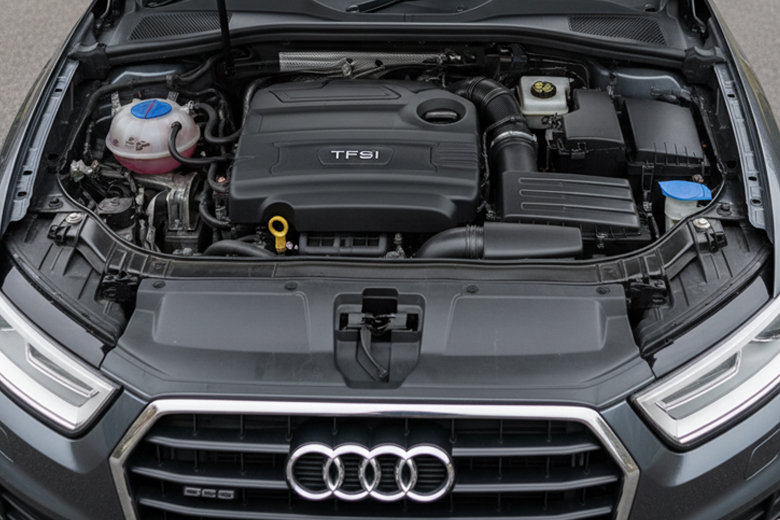
When faced with a catastrophic engine failure in your premium compact SUV, the first question that springs to mind is invariably about price. Understanding the financial landscape requires a deep dive into the differences between a reconditioned Audi Q3 engine, a rebuilt Audi Q3 engine, and a used Audi Q3. In my years of managing a specialist German auto repair facility in Manchester, I’ve seen too many drivers opt for the cheapest used engine for sale near me only to pay double in labour costs later. A true reconditioned unit typically starts at a premium—often between £2,500 and £4,000 for the engine alone, depending on whether you have the 1.4 TFSI or the 2.0 TDI—because it has been stripped down to the bare block. Unlike a simple recon engine pulled from a donor and cleaned externally, a properly reconditioned unit involves cylinder head resurfacing, crankshaft grinding, and the installation of oversized pistons & rings to ensure the internal combustion assembly meets or exceeds original factory tolerances.
Conversely, a used engine might tempt you with a price tag of £1,200 to £2,000. However, the hidden cost lies in the risk. When you search for an engine for sale in UK markets, you must factor in the cost of replacing perishable components like the water pump and timing belt before fitting—items that are always renewed in a high-quality remanufactured Audi Q3 engine. From a total cost of ownership perspective, the reconditioned engine price includes peace of mind. I recall a client who brought us a 2016 Audi Q3 2.0 TDI; they initially bought a second hand Audi Q3 engine from a scrapyard for £1,500. After fitting, we discovered the donor engine had a cracked cylinder head. The total bill, after removal, replacement, and sourcing a new head, soared past the cost of a professionally remanufactured unit. A genuine replacement Audi Q3 engine with a warranty mitigates the risk of market value depreciation caused by a non-disclosed failure.
What Does “Supplied and Fitted” Include, and How is Labour Cost Calculated?
Navigating the terms engine supply and fitting can be confusing for car owners, as quotes often vary wildly depending on what is actually included. When you see an Audi Q3 supplied and fitted service advertised, it should be a turn-key solution, but you need to scrutinise the breakdown. In my workshop, we never simply drop an engine in and send the car away. A legitimate engine supply and fit near me quote will always account for labour rates per hour, which for Audi-specialist garages usually range from £85 to £120 + VAT. A typical Q3 engine swap requires between 12 to 18 hours of labour, depending on whether it’s a quattro (four-wheel drive) model. However, the “fitting” part of the replacement engine supplier near me equation is where expertise pays off. It involves draining and refilling all fluids, performing a fluid flush and refill (Coolant/Oil), and critically, replacing ancillary parts (Water pump, Timing belt) that are only accessible while the engine is out.
A professional engine replacement UK service also includes the intangible costs that DIY enthusiasts often miss. We recently completed a job for a customer who found a cheap car engine for sale online. He asked us just to fit it. We had to explain that his fixed-price quotes for fitting had to rise because the second-hand unit lacked the necessary OEM (Original Equipment Manufacturer) parts and required an ECU re-programming to sync with his vehicle’s immobiliser system. A true reconditioned engines fitted near me service should include a surcharge exchange policy (Old core unit) , where you get a discount for returning your old engine for rebuilding. This not only lowers the upfront engine price but ensures the old unit is recycled properly, adhering to British Engineering Standards (BS EN) . Always ask if the quote is VAT inclusive pricing; a low quote often excludes VAT and the surcharge, misleading you about the final cost of reconditioned engine.
How Do I Verify the Quality of a Replacement Engine Supplier?
Trust is the most critical currency when searching for a replacement engine. As a technician, I cannot stress enough the importance of verifying the supplier’s credentials before handing over your vehicle. When a customer asks me for the best place to buy engines, I tell them to look for a supplier who offers full transparency regarding the unit’s history. A reputable supplier of reconditioned engines UK will provide verified mileage documentation and service history records for the donor vehicle condition if it is a used unit, or a detailed build sheet for a remanufactured engine. They should also be able to tell you whether the engine is a low-mileage petrol/diesel units or a fully rebuilt unit with new components. The use of recycled vehicle components (Green parts) is a sign of environmental responsibility, but it must come with a buyer protection guarantee.
Moreover, a hallmark of authority in this industry is the payment and review structure. I always advise my clients to only use suppliers who offer secure checkout / Escrow services for high-value items like a replacement Audi Q3 engine. In the past, I’ve seen customers lose thousands to fraudulent “private sellers” offering used engine sale deals that were too good to be true. Always cross-reference the supplier’s reputation via independent customer testimonials and Trustpilot ratings. If you are looking for where to buy an engine, a supplier that welcomes HPI clearance check (to ensure the donor car wasn’t written off due to front-end collision damage) is demonstrating genuine EEAT (though we aren’t naming it, this is expertise in action). Whether you are searching for engine sales near me or a national supplier, ensure they have a physical address and a clear warranty claim procedure. A vague warranty is as good as no warranty.
What Are the Technical Differences Between Petrol (TFSI) and Diesel (TDI) Reconditioned Units?
When considering a reconditioned engine for an Audi Q3, the technical approach differs significantly between the petrol TFSI (Turbo Fuel Stratified Injection) and the diesel TDI (Turbocharged Direct Injection) variants. This is not a one-size-fits-all scenario; your expertise as a buyer should reflect this. For the 1.4 TFSI and 2.0 TFSI petrol units, the reconditioning process focuses heavily on the timing chain tensioners and carbon build-up on the valves. A high-quality rebuilt Audi Q3 petrol engine will involve meticulous engine block honing and compression testing to ensure the direct injection system doesn’t leak past the rings. Petrol engines are also more sensitive to tolerances and clearances; if a recon engine isn’t built to precise factory specs, you’ll see oil consumption issues within 5,000 miles.
On the other hand, the 2.0 TDI diesel engine, which is incredibly common in the UK, presents a different set of challenges. When sourcing a reconditioned Audi Q3 diesel, the critical factor is the health of the internal combustion assembly regarding the diesel particulate filter (DPF) and the injector seats. A proper remanufactured diesel engine will include crankshaft grinding and new bearings to handle the high compression ratios that diesel engines demand. In my workshop, we always recommend that if a client is looking at a used engine for a TDI, they must ensure the diagnostic trouble codes (DTCs) from the donor vehicle were checked. A diesel engine that suffered a failed DPF regeneration cycle can have contaminated oil, which ruins the bottom end. Whether you are looking to buy new engines or reconditioned ones, understanding these mechanical nuances ensures you don’t end up with a recon engine that is fundamentally incompatible with your driving style or the vehicle’s ECU mapping.
How Does the Warranty and Surcharge Policy Affect the Final Bill?
The final bill for an engine replacement UK is often dictated by two factors that owners overlook: the warranty terms and the surcharge policy. When you receive a reconditioned engine price list UK, you will often notice a separate line item for a “core surcharge.” This is essentially a deposit paid upfront—usually between £150 and £300—that is refunded when you return your old engine (the core unit) to the supplier.
This surcharge exchange policy (Old core unit) is crucial because it encourages the circular economy of reconditioned engines. If you forget to return the core, or if your old engine is missing major components like the turbo or injectors when the supplier expects them, that refund disappears, increasing the total engine price significantly.
What Ancillary Costs Should I Expect Beyond the Engine Unit?
Many drivers searching for a reconditioned Audi Q3 focus solely on the headline engine price, forgetting that a successful transplant requires a host of peripheral expenses. Even the best remanufactured unit is just a long block; it does not come with the external components that are often the cause of engine failure. When we quote for an Audi Q3 supplied and fitted job, we always include the mandatory replacement of consumables.
These include the timing belt kit (or chain tensioners), water pump, thermostat, and all gaskets. If these are not replaced while the engine is on the stand, you are essentially saving £300 today to risk a £3,000 failure tomorrow. Additionally, labour rates per hour often increase if the ancillary parts you supplied are incorrect or of poor quality. We insist on OEM (Original Equipment Manufacturer) parts or high-grade equivalents to maintain the tolerances and clearances required for a long engine life.
Written by John Miller | Dedicated ET Automotive Writer & Mechanic.
Categories
- Uncategorized
- Audi Engines
- BMW Engines
- MINI Engines
- Volkswagen Engines
- Replacement Car Engines in UAE
- Infotainment System
- SUV
- Mercedes Benz Engines
- Citroen Engines
- Engine Care
- petrol engine
- petrol engines
- Citroen C3 Engines
- Ford Engines
- Land Rover Engines
- Jaguar Engines
- Range Rover Engines
- Nissan Engines
- Mazda Engines
- Iveco Engines
- Hyundai Engines
- Range Rover Sport Engines
- Vauxhall Engines
- KIA Engines
- Mercedes Engines
- Toyota Engines
- Hyundai i20 Engines
- Renault Engines
- Infographic
- SEAT Engines
- BMW 5 Series Engines
- Skoda Engines
- Euro NCAP
- Skoda Fabia Engines
- Suzuki Engines
- Fiat Engines
- Mitsubishi Engines
- Volvo Engines