Common Mitsubishi L200 Engine Problems I Diagnose Before Recommending a Rebuilt or Replacement Engine
February 9, 2026
Why Do Mitsubishi L200 Engines Commonly Fail Before Owners Start Searching for a Reconditioned Mitsubishi L200 Engine?
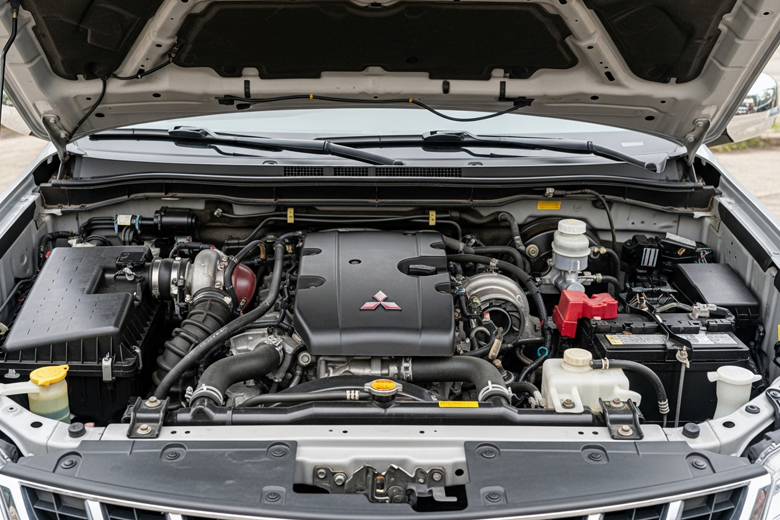
In real workshop diagnostics, the Mitsubishi L200 most commonly arrives with oil dilution, injector imbalance, or premature turbo wear—especially on higher-mileage diesel variants used for towing. Before advising a reconditioned Mitsubishi L200 engine, I always begin with compression testing, service history records, and a donor vehicle condition assessment. Many owners initially search for an engine for sale in UK listings without realising their failure is progressive rather than sudden, driven by neglected maintenance cycles or repeated short journeys.
Another overlooked factor is cooling inefficiency caused by blocked EGR systems and partially restricted radiators. Over time, this leads to uneven cylinder temperatures, which accelerates wear on piston rings and cylinder walls. Diagnostic trouble codes (DTCs) often show historical faults that were cleared rather than repaired. When tolerances drift outside safe limits, internal combustion efficiency drops quietly—until the engine reaches a point where repair is no longer cost-effective.
From experience, most owners only begin searching where to buy car engines once the vehicle enters limp mode or fails emissions testing. At that stage, the decision is no longer about “if” replacement is needed, but “which route” delivers long-term reliability without overspending.
When Does a Used Mitsubishi L200 Engine Make Sense Over Repair or Rebuild?
A used Mitsubishi L200 engine can be viable when sourced with verified mileage documentation, a clean HPI clearance check, and evidence of a low-stress donor vehicle. I regularly inspect used engine sale units that came from rear-end collision vehicles where the powertrain was never overheated or starved of oil. These cases can offer good value when market depreciation is factored correctly.
Problems arise when buyers focus only on availability—searching used engine for sale near me—without reviewing service history records or oil analysis data. Engines pulled from poorly maintained vehicles often carry hidden risks such as worn crank bearings or early-stage head gasket degradation. These issues may not appear during a brief startup test but surface after installation.
I advise customers to compare engine price against labour rates per hour, ancillary replacements, and VAT inclusive pricing. What appears affordable upfront may exceed the cost of a more secure option once fitting and corrective work are added. Finding used engines responsibly requires patience, documentation, and buyer protection safeguards.
What Issues Force Me to Recommend a Rebuilt Mitsubishi L200 Engine Instead of a Second-Hand Unit?
A rebuilt Mitsubishi L200 engine becomes the correct recommendation when structural integrity is sound but internal wear is beyond minor repair. Typical examples include crankshaft journals outside tolerance, ovalized cylinders, or warped cylinder heads following overheating. In these cases, machining—rather than replacement—restores reliability.
This route allows precise correction through engine block honing, oversized pistons and rings, and renewed bearing clearances using OEM components. I’ve seen rebuilt units outperform many second hand engine options because every known weakness is addressed systematically rather than inherited blindly.
Owners often confuse a rebuild with a basic refresh. In reality, proper rebuilding involves compression testing before and after work, cylinder head resurfacing, and verification against British Engineering Standards. This controlled process is ideal for owners planning long-term use rather than short-term resale.
How Is a Remanufactured Mitsubishi L200 Engine Diagnostically Different from a Recon Unit?
A remanufactured Mitsubishi L200 engine is reserved for situations where multiple systems have failed or where previous repairs were poorly executed. These units are stripped to bare castings, measured digitally, and rebuilt to original manufacturer tolerances. Unlike partial solutions, everything—from oil pump to valve train—is renewed or re-machined.
I typically recommend this path for commercial vehicles with high annual mileage or repeated engine replacement history. While some owners hesitate due to cost, a detailed comparison of reconditioned vs new prices often shows strong long-term value—especially when warranty coverage and buyer protection guarantees are included.
This approach also supports sustainability, as recycled vehicle components are reused where structurally viable, reducing environmental impact without compromising reliability. For buyers asking where to buy an engine that will last, this is usually the most future-proof option.
What Should Owners Expect During Mitsubishi L200 Engine Supplied and Fitted Diagnostics?
Before approving Mitsubishi L200 engine supplied and fitted, I insist on a structured installation process. This includes pre-fit inspections, ECU compatibility checks, and a full fluid flush and refill using manufacturer-approved specifications. Skipping these steps is the fastest way to void warranties.
A professional engine supply and fitting job also includes replacement of ancillary parts such as the water pump and timing belt where applicable. I’ve seen engines fail prematurely simply because old components were reused to save short-term cost. Fully certified technicians and specialised tools ensure alignment, torque accuracy, and safe installation.
Customers searching engine supply and fit near me should prioritise VOSA approved garages, transparent fixed-price quotes, and clear warranty claim procedures. The quality of installation matters just as much as the engine itself.
How Do I Help Owners Choose the Right Replacement Mitsubishi L200 Engine Without Overpaying?
Selecting a replacement Mitsubishi L200 engine starts with honest usage analysis. Vehicles used for towing, off-road work, or daily commercial duty require different solutions than lightly driven pickups. I walk owners through reconditioned engine prices, surcharge exchange policies, and long-term depreciation impact before any decision is made.
Many buyers ask where to buy replacement engine solutions that balance cost and confidence. My advice is always to prioritise verified documentation, secure checkout or escrow services, and strong customer testimonials. Transparent suppliers stand out quickly when these criteria are applied.
Ultimately, the right choice is the one that aligns with ownership goals. Whether the aim is reliability, resale value, or operational uptime, informed comparison—rather than urgency—prevents regret and ensures the engine replacement UK process delivers real value.
Written by John Miller | Dedicated ET Automotive Writer & Mechanic.
Categories
- Uncategorized
- Audi Engines
- BMW Engines
- MINI Engines
- Volkswagen Engines
- Replacement Car Engines in UAE
- Infotainment System
- SUV
- Mercedes Benz Engines
- Citroen Engines
- Engine Care
- petrol engine
- petrol engines
- Citroen C3 Engines
- Ford Engines
- Land Rover Engines
- Jaguar Engines
- Range Rover Engines
- Nissan Engines
- Mazda Engines
- Iveco Engines
- Hyundai Engines
- Range Rover Sport Engines
- Vauxhall Engines
- KIA Engines
- Mercedes Engines
- Toyota Engines
- Hyundai i20 Engines
- Renault Engines
- Infographic
- SEAT Engines
- BMW 5 Series Engines
- Skoda Engines
- Euro NCAP
- Skoda Fabia Engines
- Suzuki Engines
- Fiat Engines
- Mitsubishi Engines
- Volvo Engines